Introduction
The peony, often referred to as the King of Flowers, holds a special place in Chinese culture, symbolizing prosperity, honor, and beauty. With a history spanning over 4,000 years, the flower has been deeply ingrained in the nation’s cultural, artistic, medicinal, and economic spheres. Its vibrant colors and elegant appearance have made it a favorite among Chinese people, and it has been widely cultivated across the country. The peony’s significance has been further amplified by its association with imperial China, traditional Chinese medicine, and its role as a cultural ambassador in modern times. Today, the peony is not only a cherished ornamental plant but also a symbol of national pride and cultural identity.
Historical Significance of Peonies in China
Origins and Early Cultivation
The history of peonies in China dates back to ancient times, with records of their cultivation appearing as early as the Qin Dynasty (221–207 BC). Initially found in the wild, peonies were admired for their medicinal properties and ornamental beauty. During the Sui Dynasty (581–618), Emperor Yangdi established his capital in Luoyang and issued a decree for exceptional flowers, including peonies, to be presented from all corners of the country. This marked the flower’s transition from a wild plant to a cultivated ornamental species, signifying its introduction into imperial gardens.
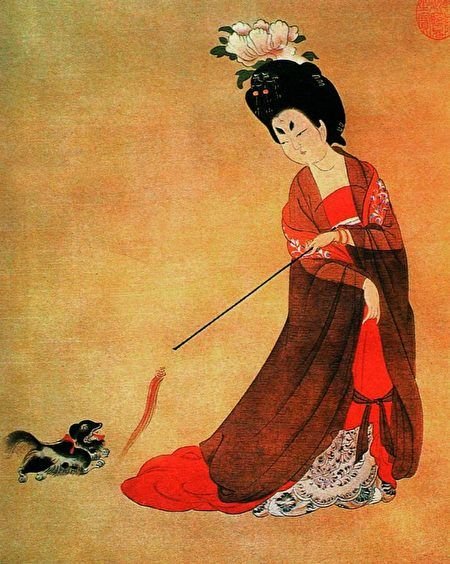
By the Tang Dynasty (618–907), peonies had become a symbol of wealth and prestige, earning the title “national flower” during this era. Hundreds of poems celebrating the beauty of peonies emerged during this period, many of which remain popular today. The flower’s cultivation techniques were refined, and its varieties expanded, laying the foundation for its enduring legacy in Chinese horticulture.
Peonies in Ancient Chinese Culture
In ancient Chinese culture, peonies were celebrated not only for their aesthetic appeal but also for their symbolic meanings. The flower was often associated with wealth, honor, and prosperity, making it a favorite among the imperial court and aristocracy. Its large blooms and vibrant colors were seen as a reflection of the grandeur and elegance of Chinese civilization.
Peonies also played a significant role in literature and art. During the Tang Dynasty, poets and artists frequently depicted peonies in their works, using the flower as a metaphor for beauty, femininity, and the flourishing of the state. The peony’s image became deeply embedded in the collective consciousness of the Chinese people, influencing various aspects of cultural expression.
Peonies as a Symbol of Wealth and Prosperity
Association with Imperial China
The peony’s association with wealth and prosperity was solidified during its cultivation in imperial gardens. As the “King of Flowers,” it was often featured in royal ceremonies and celebrations, symbolizing the grandeur of the empire. The Tang Dynasty, in particular, saw the peony rise to prominence as a representation of the state’s prosperity and cultural flourishing.
Empress Wu Zetian, the only female emperor in Chinese history, is said to have had a complex relationship with peonies. According to legend, she commanded all flowers to bloom in winter, but the peonies refused. As punishment, they were banished to Luoyang, where they thrived and became a symbol of resilience and beauty. This story further cemented the peony’s status as a flower of significance in Chinese history.
Representation in Art and Literature
Peonies have been a recurring motif in Chinese art and literature for centuries. From classical poetry to modern television dramas, the flower has been celebrated for its beauty and symbolic meanings. During the Tang Dynasty, poets like Bai Juyi and Li Bai wrote extensively about peonies, praising their elegance and associating them with the prosperity of the state.
In visual arts, peonies have been depicted in paintings, ceramics, and textiles, often serving as a symbol of wealth and honor. The intricate designs of peonies in traditional Chinese porcelain and embroidery reflect the flower’s cultural importance and artistic appeal. In modern times, the peony continues to inspire creative works, bridging the gap between historical traditions and contemporary culture.
Peonies in Traditional Chinese Medicine
Peonies have long been valued for their medicinal properties in traditional Chinese medicine. The root bark of the peony, known as moutan cortex, is widely used to promote circulation, reduce inflammation, and treat various ailments. Its high paeonol content makes it a sought-after ingredient in herbal remedies, both domestically and internationally.
In regions like Dianjiang County, peony cultivation has expanded to include the production of moutan cortex, generating significant economic value. The flower’s medicinal uses have also contributed to its reputation as a plant of great ecological and social benefits, further enhancing its cultural significance.
Peonies in Modern Chinese Culture
National Symbol and Cultural Identity
In recent years, the peony has gained overwhelming support to be officially recognized as China’s national flower. An online poll conducted by the China Flower Association revealed that the peony received more than 90 percent of the votes among ten candidates. Its selection as the national flower reflects its deep-rooted cultural significance and widespread popularity among the Chinese people.
The peony’s status as a national symbol is further reinforced by its presence in major events and ceremonies. For example, during the 2008 Beijing Olympics, costumes dyed with coloring matter extracted from peony flowers were worn by national banner holders, showcasing the flower’s symbolic value on an international stage.[8]
Peonies in Festivals and Celebrations
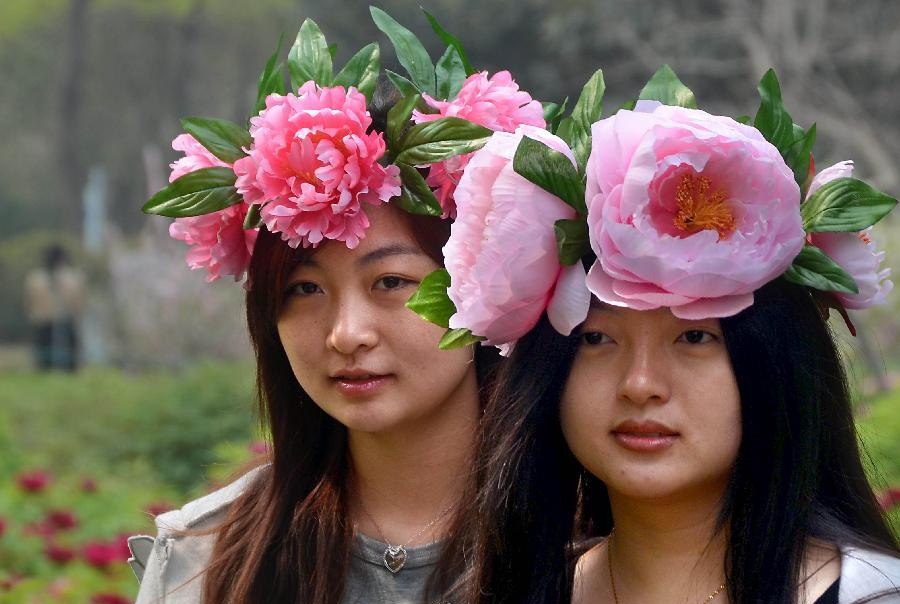
Peony festivals are a major cultural event in China, attracting millions of tourists annually. Cities like Luoyang and Heze, known as the “Peony Capitals of China,” host grand celebrations featuring peony exhibitions, cultural performances, and trade fairs. These festivals not only highlight the flower’s beauty but also contribute to local economies through tourism and related industries.
The Luoyang Peony Culture Festival, held annually since 1983, has grown into a national intangible cultural heritage event. Similarly, the Heze International Peony Cultural Tourism Festival showcases the city’s rich peony culture and innovative development of the peony industry. These festivals serve as platforms for cultural exchange and mutual learning, promoting the peony’s significance both domestically and internationally.
Global Influence and Cultural Promotion
Export of Peonies and Cultural Exchange
China’s peony industry has expanded beyond its borders, with cities like Heze exporting peony plants and products to over 30 countries and regions. The flower’s international appeal has made it a valuable tool for promoting Chinese culture abroad. Initiatives like building peony gardens in foreign countries and hosting international forums on peony culture have further strengthened cultural ties and mutual understanding.
Peony-related products, including seed oil, cosmetics, and tea, have gained popularity in global markets, showcasing the flower’s versatility and economic potential. These efforts not only enhance the peony’s global influence but also contribute to the sustainable development of the industry.
Peonies in International Art and Media
The peony’s cultural significance has been highlighted in international art and media. Television dramas like Flourished Peony have gained widespread popularity, both domestically and abroad, boosting interest in the flower and its associated culture. The drama’s portrayal of peonies during the Tang Dynasty has sparked a renewed appreciation for the flower’s historical and cultural value.
Additionally, theatrical productions like “The Peony Pavilion” have brought the flower’s symbolism to global audiences. Combining traditional Kunqu Opera with modern chamber music, these performances showcase the peony’s role as a cultural ambassador, bridging the gap between China’s rich heritage and contemporary artistic expressions.
Conclusion
The symbolism of peonies in China is a testament to the flower’s enduring cultural, historical, and economic significance. From its origins in ancient imperial gardens to its role as a modern national symbol, the peony has remained a cherished part of Chinese identity. Its association with wealth, prosperity, and beauty continues to inspire art, literature, medicine, and industry, making it a powerful emblem of China’s cultural heritage. As efforts to promote peony culture globally gain momentum, the flower’s influence is set to flourish, bridging cultural divides and fostering mutual understanding across nations.